The Good, the Bad and the Ugly in Cybersecurity – Week 27
July 3, 2026 · SentinelOne · Severity: MEDIUM
Law enforcement agencies, including Montenegrin authorities and the FBI, apprehended a 39-year-old Iranian-Turkish citizen accused of orchestrating cyberattacks against over 150 U.S. universities since 2013, causing $3.4 billion in damages. The suspect, allegedly linked to Iran’s Islamic Revolutionary Guard Corps, faces charges for conspiracy, hacking, and identity theft in the Southern District of New York. Separately, Peter Stokes, a 19-year-old U.S.-Estonian citizen and core member of the UNC3944 (Scattered Spider) cybercrime group, was extradited to face federal charges for corporate breaches, including a $8 million ransom attack on a retailer. UNC3944 is responsible for over 100 global intrusions, extorting over $100 million. Stokes remains in federal custody in Chicago. CISA and the FBI warned that Russian state-sponsored threat actors, tracked as UNC5792 and UNC4221, are evolving phishing campaigns to steal Signal backup recovery keys from high-value individuals, including government officials and journalists. Attackers impersonate Signal support, tricking victims into enabling Secure Backups and sharing their recovery keys, allowing decryption of entire message archives. The U.S. Department of State offers up to $10 million for information on these operatives. Meanwhile, the Department of Homeland Security is investigating a breach of its Homeland Security Information Network (HSIN), used for sharing sensitive but unclassified data. The attack, occurring between late May and early June, targeted HSIN’s core servers and a SharePoint environment, impacting federal, state, local, and private-sector partners.
The Good | Authorities Apprehend Iranian Cybercriminal & Extradite UNC3944 Hacker
Montenegrin law enforcement, alongside the FBI, have apprehended a 39-year-old dual Iranian and Turkish citizen wanted by the U.S. government for several cybercrime offenses. Arrested in Kotor, the suspect faces charges in the Southern District Court of New York for conspiracy to commit computer fraud, hacking, and identity theft.
Since 2013, this individual allegedly orchestrated mass cyberattacks against more than 150 American universities and inflicted damages estimated at over $3.4 billion. Investigators say the stolen data and compromised academic credentials directly benefited the Islamic Revolutionary Guard Corps and various Iranian state entities. The case now proceeds to a High Court judge for formal extradition hearings. The arrest follows recent warnings from U.S. cybersecurity agencies regarding escalating Iranian state-sponsored operations targeting critical domestic infrastructure.
A 19-year-old dual United States and Estonian citizen, Peter Stokes, has been extradited to face federal charges for his role as a core member of the UNC3944 (aka Scattered Spider, oktapus) cybercrime syndicate. Finnish authorities initially apprehended Stokes at the Helsinki airport as he attempted to board a flight to Japan. Prosecutors are accusing him of orchestrating multiple high-profile corporate breaches, using intense social engineering tactics against IT helpdesks to bypass multi-factor authentication controls.

In one notable May 2025 incident, UNC3944 compromised a multibillion-dollar retailer, demanding an $8 million ransom while inflicting over $2 million in operational disruption and remediation costs. UNC3944 operators are also responsible for more than 100 network intrusions globally, all of which yield upwards of $100 million in illicit extortion payments. Stokes remains in federal custody in Chicago, facing charges of fraud, conspiracy, and computer intrusion.
The Bad | Russian Intelligence Exploit Phishing Campaigns To Steal Signal Backup Keys
CISA and the FBI are warning that Russian state-sponsored threat actors have made large strides in evolving their phishing operations to target the backup recovery keys of Signal users. In an update to their March 2026 advisory, the two agencies attribute this ongoing activity to Russian Intelligence Services (RIS), including Russia’s Federal Security Service (FSB) Border Guards and the country’s military.
Tracked as UNC5792 and UNC4221, these campaigns specifically target high-value individuals, including government officials, military personnel, journalists, and policy analysts. Previously, operators focused on harvesting standard verification codes or tricking users into silently linking unauthorized devices. Now, they employ social engineering to access private communications without compromising the application’s underlying end-to-end encryption.
During targeted intrusions, attackers masquerade as official Signal support personnel and send direct messages falsely claiming the platform requires mandatory two-factor verification following alleged international cyberattacks. The operators systematically guide victims through the specific process of enabling the Secure Backups feature, instructing them to paste their newly generated recovery key directly into the chat interface.
Once adversaries obtain this critical key, they seamlessly download and decrypt the victim’s entire historical message archive onto their own controlled devices. Simply registering a new account under the same phone number does not natively invalidate a compromised key – users must actively generate a new backup key within their application settings to effectively secure future communications.
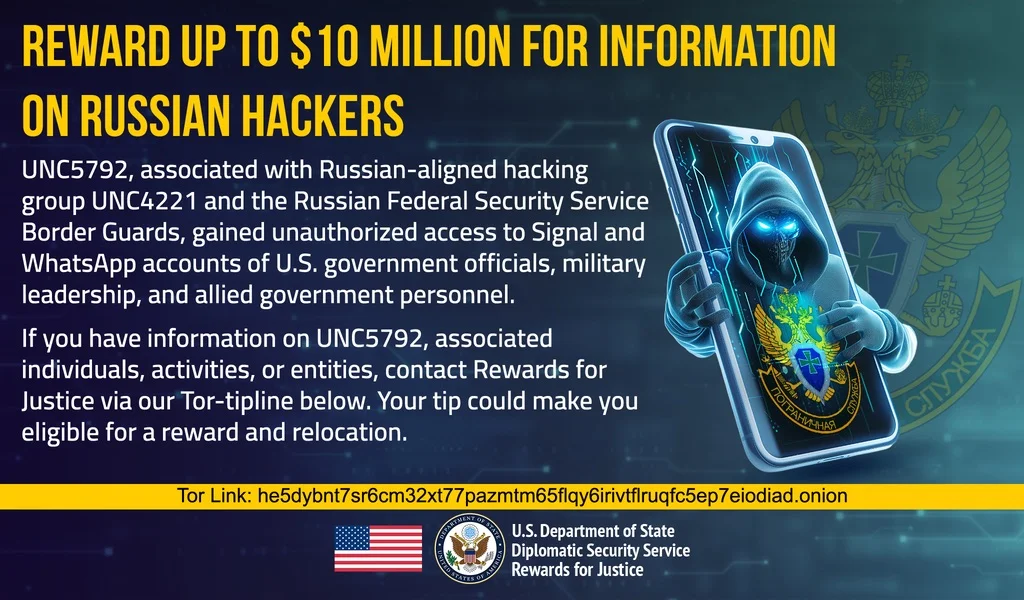
The U.S. Department of State recently announced a substantial reward of up to $10 million for information leading to the identification or location of these operatives. Through the Rewards for Justice program, federal authorities actively seek actionable intelligence regarding the syndicates’ operational infrastructure, illicit funding mechanisms, and direct affiliations with Russian intelligence services.
The Ugly | Unknown Hackers Breach Department of Homeland Security Information Network
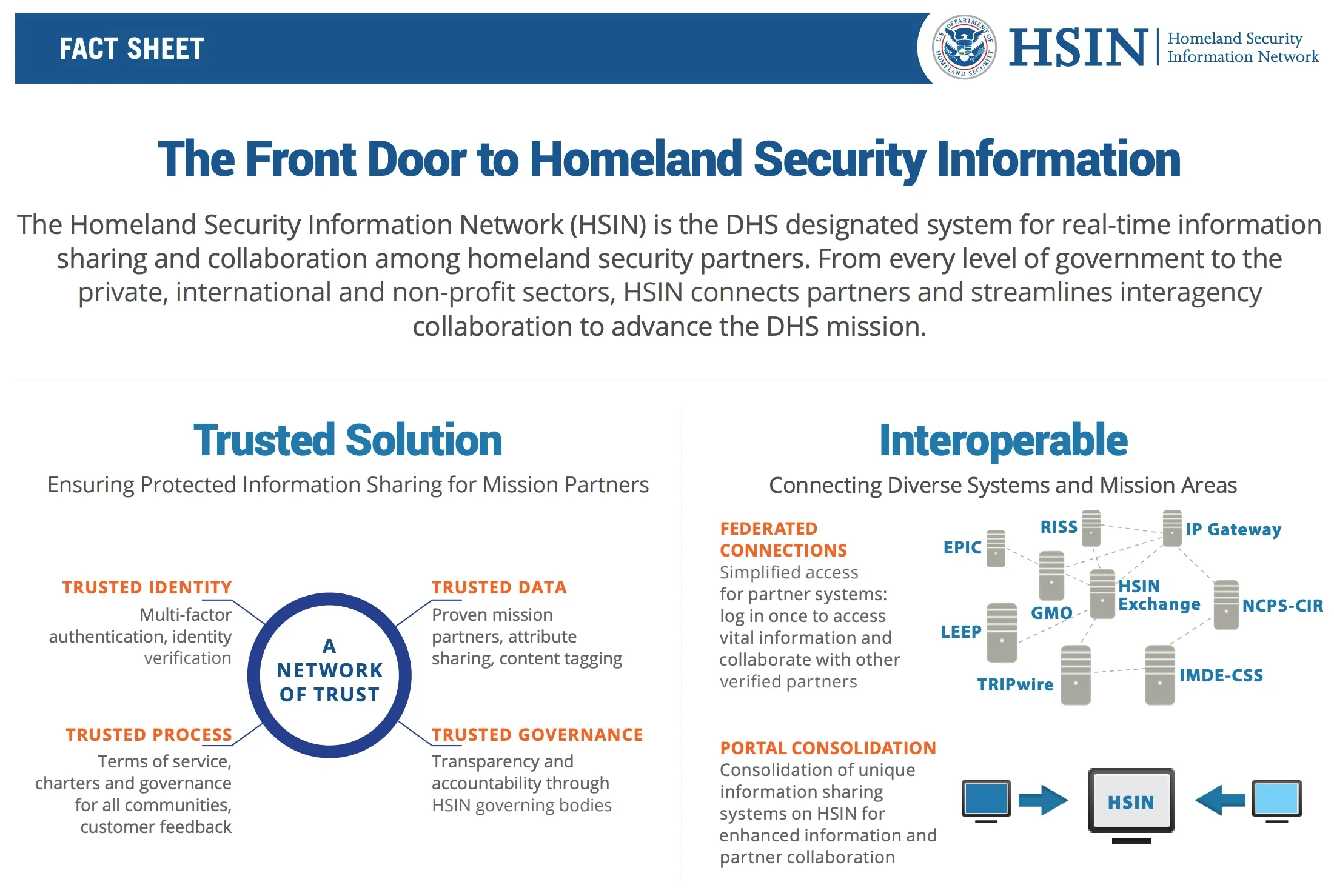
The Department of Homeland Security is actively investigating a cyberattack that recently compromised its Homeland Security Information Network (HSIN). The network is an information sharing platform used by federal, state, local, and private-sector partners, specifically to share sensitive but unclassified data amongst the government and internationally.
According to an initial report, an unidentified threat actor orchestrated the intrusion between late May and early June. Investigators indicate that the attackers targeted the HSIN’s core servers alongside a SharePoint environment designed for extensive interagency collaboration.
Key Takeaways
- The Good, the Bad and the Ugly in Cybersecurity – Week 27 — FBI apprehends IRGC-linked cybercriminal, Russian hackers steal Signal backup keys, and unknown...
- Staying informed on emerging threats is key to maintaining a strong security posture.
- Regular security awareness training and layered defenses remain the foundation of any effective cybersecurity program.