Route Amazon Bedrock Guardrails interventions to Amazon Security Lake
August 6, 2026 · AWS Security · Severity: MEDIUM
This article explains how to route Amazon Bedrock Guardrails violations to Amazon Security Lake for unified security analysis. It describes building an automated pipeline to transform guardrail intervention events into Open Cybersecurity Schema Framework (OCSF) records. Security teams can query this data alongside other telemetry using Amazon Athena.
Security teams investigating AI-related incidents need guardrail intervention data alongside their existing security telemetry. Routing Amazon Bedrock Guardrails violations to Amazon Security Lake makes this possible. With this integration, you can query guardrail events alongside identity, network, and application security data in a single layer. When a guardrail blocks a prompt injection attempt or redacts sensitive data, that intervention carries investigative value comparable to a failed sign-in or a network intrusion alert. Amazon Bedrock publishes this telemetry to Amazon CloudWatch metrics and model invocation logs for operational monitoring. By using Security Lake, organizations can extend this telemetry into their security data lake for unified correlation.
In this post, I show you how to build an automated pipeline that transforms Amazon Bedrock Guardrails intervention events into Open Cybersecurity Schema Framework (OCSF) records and delivers them to Security Lake as a custom source. You can query the data using Amazon Athena or any Security Lake subscriber.
Use case
Consider a financial services organization deploying Amazon Bedrock across multiple business units. Each unit uses guardrails to enforce content policies (blocking harmful content), topic policies (preventing off-topic queries about competitors), sensitive information policies (redacting personally identifiable information (PII) such as account numbers), and prompt injection detection.
The security team needs to:
- Identify which user accounts trigger the most guardrail interventions and whether those accounts also have unusual AWS Identity and Access Management (IAM) activity
- Determine if prompt injection attempts correlate with specific source IP addresses that also appear in Amazon Virtual Private Cloud (Amazon VPC) Flow Logs
- Track the organization-wide trend of guardrail violations across all business units and compare it against the baseline from 30 days ago
With guardrail events routed to Security Lake, a single Athena query covers all three.
Solution overview
The pipeline architecture routes Amazon Bedrock security events to Security Lake as OCSF-compliant records. The same infrastructure—subscription filter, AWS Lambda transformation, Parquet writer, Amazon Simple Storage Service (Amazon S3) partitioning—supports multiple event types by changing the filter pattern and OCSF mapping:
| Guardrail interventions (this post) | DETECTION_FINDING | 2004 |
| Model invocation API calls | API_ACTIVITY | 6003 |
| Agent guardrail traces | DETECTION_FINDING | 2004 |
| Token consumption anomalies | DETECTION_FINDING | 2004 |
This post demonstrates the guardrail interventions implementation as a working example. The solution captures Amazon Bedrock model invocation logs that contain guardrail trace data and filters for intervention events. It transforms matching events into OCSF-compliant Detection Finding records (class_uid 2004) and delivers them to Security Lake as Parquet files. Guardrail interventions are detection events: the guardrail detected and blocked prohibited content, so OCSF class 2004 (Detection Finding) under the Findings category is the appropriate classification.
Architecture
The following diagram shows the end-to-end pipeline from guardrail intervention to Security Lake ingestion.
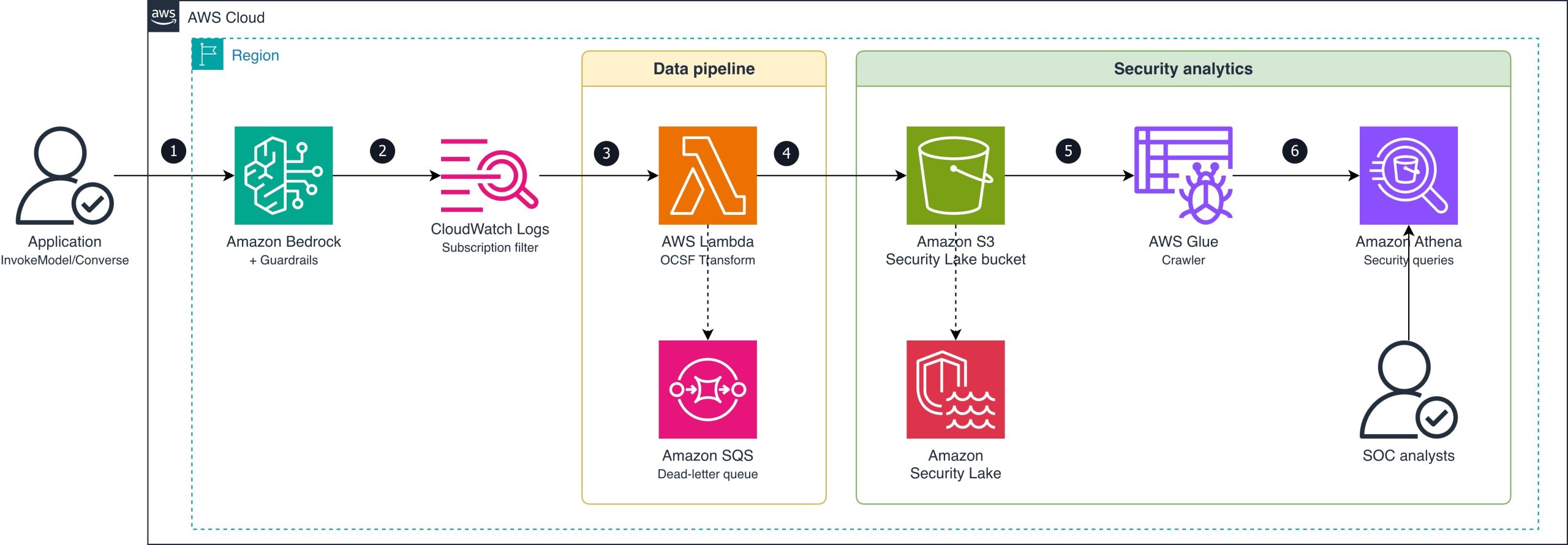
Figure 1: Guardrail intervention routing
The data flow consists of the following steps:
- An application calls Amazon Bedrock (InvokeModel or Converse API) with a guardrail attached.
- Amazon Bedrock evaluates the guardrail and logs the invocation (including guardrail trace data) to a CloudWatch Logs log group using model invocation logging. The subscription filter matches log entries where the guardrail action is
INTERVENED(blocked or masked content). - The subscription filter delivers matching records to a Lambda function (OCSF Transform).
- The Lambda function transforms each intervention event into an OCSF Detection Finding record (class_uid 2004), batches records, and converts them to Zstandard (zstd)-compressed Apache Parquet format. It writes the Parquet file to the Amazon S3 Security Lake bucket using the required partition path (
ext/BedrockGuardrails/region=/accountId=/eventDay=/). If the Lambda function fails to process a record, the message routes to an Amazon Simple Queue Service (Amazon SQS) dead-letter queue for later analysis and redrive. - Security Lake manages the ingested Parquet data in the S3 bucket.
- AWS Glue crawler detects new partitions and catalogs the Parquet files for query access.
- SOC analysts query guardrail violation data alongside other security sources using Athena.
OCSF mapping
The following table shows how Amazon Bedrock Guardrails intervention fields map to OCSF Detection Finding (class_uid 2004) attributes.