Advance Zero Trust for AI: New tools and guidance to secure AI agents and DevSecOps
August 4, 2026 · Microsoft Security · Severity: MEDIUM
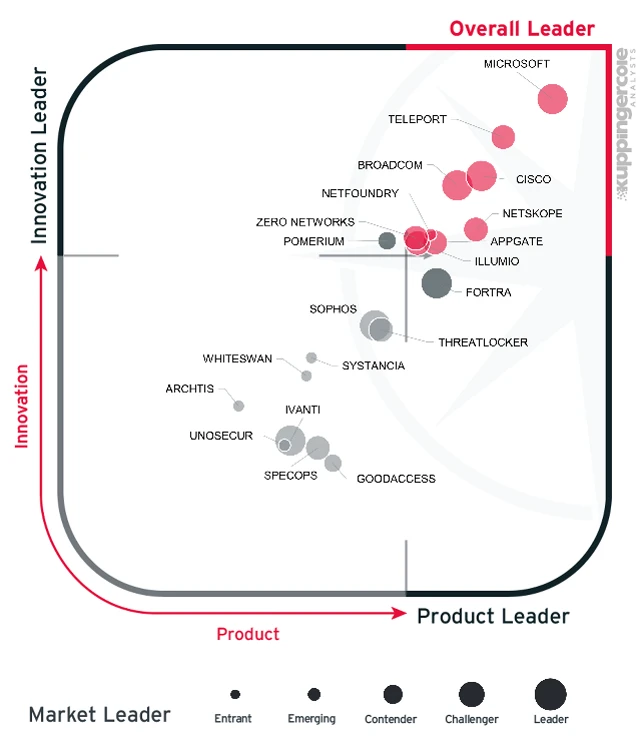
Microsoft announces new tools and guidance to extend Zero Trust principles to AI-powered development and autonomous workflows. The article highlights how AI reshapes cybersecurity by creating new attack surfaces and trust boundaries. Microsoft's leadership in Zero Trust was recognized by KuppingerCole analysts.
The calculus of cybersecurity has changed. AI is reshaping how organizations build, deploy, operate, and defend digital systems. AI-powered development tools, agents, and autonomous workflows are accelerating innovation but they are also introducing new attack surfaces, new trust boundaries, and new security challenges.
Microsoft has long helped organizations secure their digital estates using Zero Trust principles. That leadership was recently recognized by KuppingerCole analysts, which named Microsoft as the Overall Leader in its Zero Trust Platform Leadership Compass, ranking Microsoft highest for both product and innovation leadership.
As organizations accelerate AI adoption, secure software development becomes more important than ever. That’s why we are expanding the Zero Trust for AI strategy with two major additions: a new AI-focused Zero Trust Assessment experience and a new DevSecOps pillar in the Zero Trust Workshop. Together, they help organizations get ready for AI by assessing exposure, risks, prioritizing remediation, and securing AI-enabled development from source code to deployment.
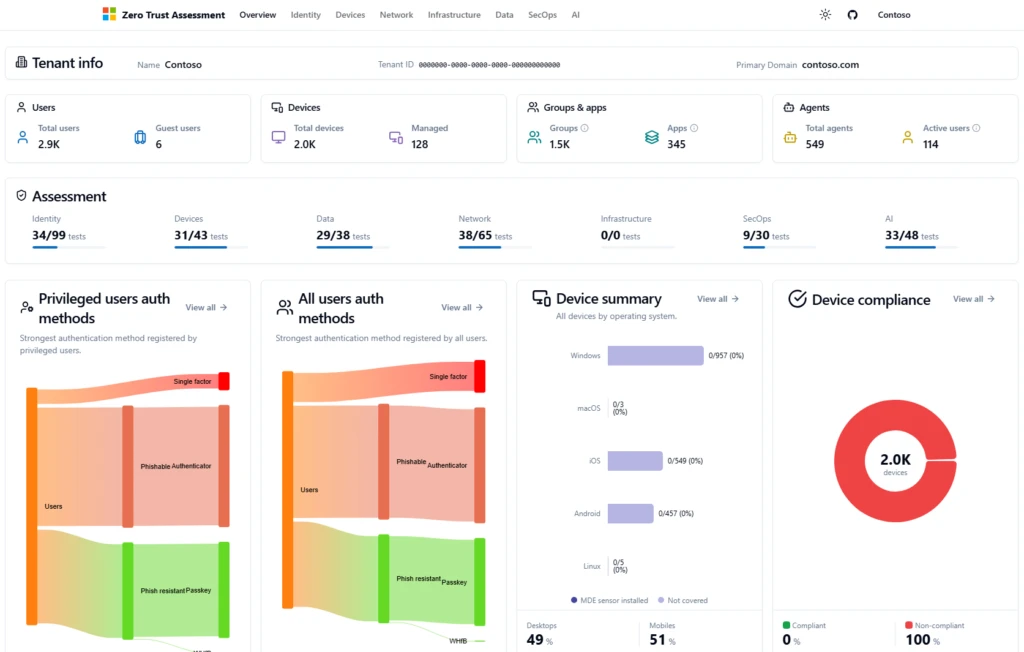
- Zero Trust Assessment tool updates: New set of assessment checks for AI, Security Operations (SecOps), and Infrastructure.
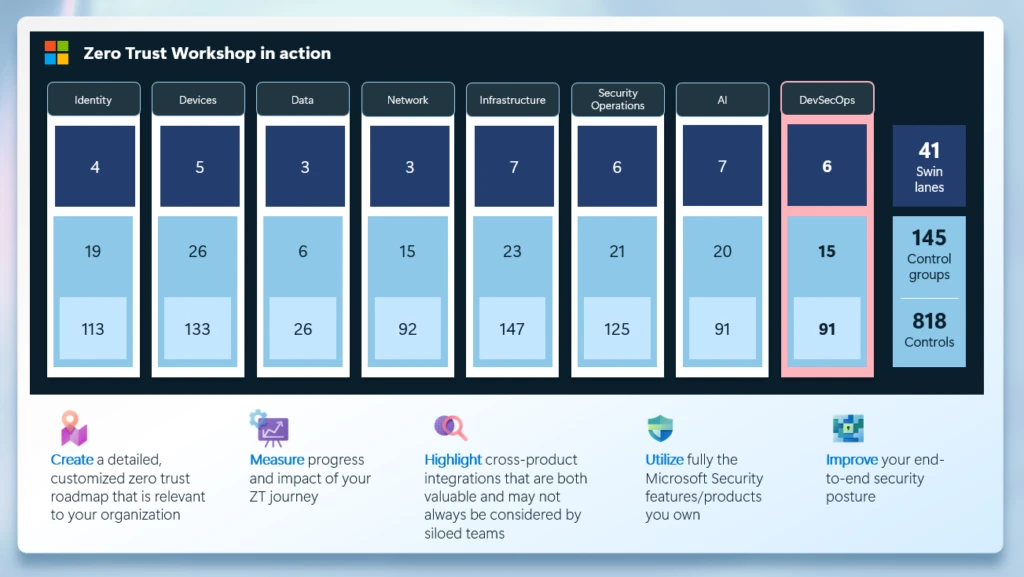
- Zero Trust Workshop updates: New dedicated pillar focused on Developer Security (DevSecOps) and additional guidance for AI Memory.
- New guidance: New practical guidance for security practitioners and a new e-book titled Zero Trust for AI, rebuilding security controls for autonomous and agentic systems.
This builds directly on the Zero Trust for AI strategy announced at RSA Conference 2026 and moves the conversation from architecture to implementation. If that announcement was about establishing Zero Trust for AI, this one is about operationalizing it: giving security, engineering, and platform teams the specific controls they need to act.
To learn more about our work in applying Zero Trust for AI and agents watch this Microsoft Mechanics video:
New AI pillar in Zero Trust Assessment tool
The Zero Trust Assessment provides an automated view of security posture by evaluating tenant configuration and activity signals across the environment and translating those findings into prioritized recommendations. As organizations adopt AI agents, Copilots, developer tools, and autonomous workflows, the Assessment helps security and platform teams establish a baseline, measure progress, and identify gaps across both traditional and AI-powered environments. It now includes expanded coverage with new pillars for AI, Security Operations, and Infrastructure (in addition to existing Identity, Devices, Network, and Data pillars), with Zero Trust for AI-focused checks that help organizations evaluate the controls required for secure AI adoption.
Additionally, enhanced reporting delivers both practitioner-level guidance and executive-ready summaries that communicate risk, progress, and next steps. Results map directly into the Zero Trust Workshop’s First, Then, Next framework, transforming assessment findings into a prioritized roadmap for remediation and implementation. Together, the Assessment and Workshop help organizations move from understanding risk to executing a structured plan for continuous improvement across their Zero Trust and AI security journey.
What’s New in the Zero Trust Workshop
AI is fundamentally changing software development. Developers increasingly rely on AI assistants to generate code, recommend packages, create infrastructure configurations, and automate testing. While these capabilities accelerate delivery, they also amplify the consequences of governance gaps, excessive permissions, insecure dependencies, and compromised supply chains.
That is why Microsoft is introducing a new DevSecOps pillar (with 15 control groups and 91 tasks that help teams apply Zero Trust from source code to cloud deployment) in the Zero Trust Workshop. The pillar translates the three Zero Trust principles—verify explicitly, use least privilege, and assume breach—into practical guidance and controls for developer platforms, continuous integration and continuous delivery (CI/CD) pipelines, source repositories, dependencies, artifacts, and infrastructure-as-code.
Key Takeaways
- AI introduces new attack surfaces and trust boundaries requiring updated security approaches.
- Microsoft applies Zero Trust principles to secure AI agents and DevSecOps workflows.
- KuppingerCole recognized Microsoft as Overall Leader in Zero Trust Platform Leadership Compass.